


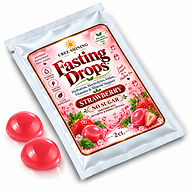


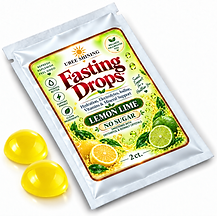
Bad breath, or halitosis, is a common concern during fasting. Reduced saliva production can leave the mouth feeling dry, while the body’s shift into fat-burning mode may release acetone into the breath—often called “keto breath.” This can be uncomfortable for you and unpleasant for those around you, sometimes making it harder to continue intermittent fasting between meals. UBEE Fasting Drops are designed to support hydration while providing electrolytes and trace minerals—helping you feel refreshed and stay committed to your fast.
Isomalt starts as ordinary sucrose, typically sourced from sugar beets. Manufacturing involves two steps: first, Sweetness and Taste Isomalt registers at roughly 45 to 60% of the sweetness of sugar, depending on the concentration. That means you need nearly twice as much isomalt to match the sweetness of the same amount of sugar. What it lacks in intensity, though, it makes up for in flavor quality. Unlike many artificial sweeteners, isomalt has no bitter, metallic, or chemical aftertaste. Sensory studies describe its taste as purely sweet and essentially indistinguishable from sucrose.enzymes rearrange the sucrose molecule into a more stable form called isomaltulose. Then, in a process called hydrogenation, hydrogen is added in the presence of a metal catalyst to produce the final product. This transformation changes how the body digests and absorbs the sweetener, which is what gives isomalt its lower calorie count and reduced effect on blood sugar.
Calories and Blood Sugar Isomalt provides about 2 calories per gram, exactly half the 4 calories per gram found in regular sugar. This reduction happens because your body only partially absorbs isomalt in the small intestine. Much of it passes through to the large intestine, where gut bacteria ferment it slowly. That slow, incomplete absorption also means isomalt has a much gentler effect on blood sugar. Isomaltulose, the intermediate compound in isomalt production, has a glycemic index of 32, compared to 65 for regular sugar. The result is a more gradual rise in both blood sugar and insulin after eating. This makes isomalt a common ingredient in products marketed to people managing their blood sugar levels.
Why Dentists Don’t Mind It Most cavity-causing bacteria in your mouth thrive on regular sugar, breaking it down into acids that eat away at tooth enamel. Isomalt sidesteps this problem entirely. Oral bacteria cannot readily break the chemical bonds in isomalt, so they produce little to no acid from it. The critical threshold for enamel damage is a pH of 5.7. Studies on isomalt-sweetened chocolate found that pH levels in the mouth stayed above 6.0 after consumption, well within the safe zone. This is why isomalt is classified as non-cariogenic, meaning it does not promote tooth decay. Unlike Xylitol, Isomlat does not help prevent cavities. We recommend a mixer of the two giving you the best of both worlds. Although, if you have a dog, it is best to use our Erythritol and Isomalt mixer as dogs and xylitol do not mix and can cause serious harm to dogs (not people) if consumed.
Digestive Tolerance Because isomalt isn’t fully absorbed in the small intestine, eating too much at once can cause gas, bloating, or diarrhea. This is the same laxative effect associated with all sugar alcohols, though the threshold varies by person and by product. As a general guideline, adults can typically tolerate up to about 50 grams of isomalt per day before digestive symptoms become likely. For children, the practical upper limit is closer to 25 grams per day. Most people find that smaller amounts spread throughout the day are better tolerated than a large dose all at once. If you’re new to isomalt, starting with a small portion and gradually increasing is the simplest way to gauge your own tolerance.
Each Fasting Drop contains only 2 grams of isomalt and 2 calories, so it is unlikely to have a significant effect on ketosis and can help you stay on track. Each convenient package contains two drops, making it easy to carry in your pocket, purse, or travel bag—whether you’re at work, meeting friends, or away on business. We want to trim down without missing out on business opportunities, travel, friendships, or the moments that matter.
Keep Fasting Drops by your bedside to help relieve nighttime dryness and keep your breath fresh—so you can wake up feeling hydrated and kissable. I’ve even found that soothing my dry mouth and throat at night may help with my snoring. Because the drops are sweetened with isomalt, a tooth-friendly alternative to regular sugar, that’s another real plus!
At UBEE, we recommend a carefully balanced blend of xylitol and isomalt. Unlike regular sugar, xylitol does not promote tooth decay and may help support better oral health. Isomalt complements it by contributing a smooth texture and lasting sweetness, while xylitol enhances the flavor. Together, they’re a marriage made in heaven!


